English
 Turkish
 Dutch
Dutch Greek
Greek English


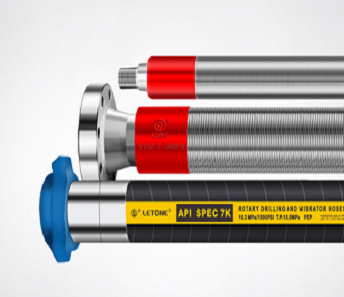
Hydraulic Rubber Hoses: The Safety and Efficiency Backbone of Construction Sites
Why Hydraulic Rubber Hoses Are Critical for Construction Safety
Construction sites are high-risk environments where equipment failures can endanger lives and delay projects. Hydraulic rubber hoses play a pivotal role in preventing accidents by ensuring fluid transmission remains stable under pressure. A burst hose or loose fitting can cause sudden loss of control, injuring operators or damaging nearby structures. Standards like ISO 1436 and SAE J517 ensure hoses meet rigorous testing for burst strength, impulse cycles, and environmental resistance. For contractors, choosing hoses that comply with these standards is a proactive step toward creating safer job sites and avoiding costly liabilities.
Innovations Tailored for Construction’s Toughest Challenges
Modern construction demands hoses that perform in diverse conditions—from dusty excavation sites to wet concrete plants. Hydraulic rubber hoses now incorporate advanced materials to meet these challenges. For example, hoses with thermoplastic inner tubes resist high-temperature fluids, while steel wire-reinforced designs handle extreme pressures without bulging. Some feature anti-static coatings to prevent spark risks in explosive environments, while others use compact spiral wraps for tighter bending radii in confined spaces. Color-coded layers or embossed labels simplify identification, reducing installation errors and speeding up maintenance. These innovations minimize downtime and enhance operational safety during critical tasks like demolition or heavy lifting.
The Hidden Costs of Neglecting Hose Maintenance
Cutting corners on hydraulic hose quality or upkeep can have dire consequences. A compromised hose might leak hydraulic fluid, creating slip hazards or contaminating soil and water sources. Worse, a sudden failure could inject high-pressure fluid into workers, causing severe injuries. Even minor wear, like cracks or frayed covers, can escalate under pressure, leading to catastrophic failures. Regular inspections, pressure testing, and replacement schedules are essential to mitigate these risks. Training crews to identify early warning signs—such as bulges, leaks, or unusual noises—can prevent accidents before they happen, protecting both personnel and equipment.
Proactive Strategies for Maximizing Hose Lifespan
To ensure hydraulic rubber hoses perform reliably, construction teams should adopt a proactive maintenance approach. Start by selecting hoses rated for your equipment’s specific pressure and temperature requirements. During installation, avoid sharp bends or twists that could stress the reinforcement layers. Use compatible fittings and clamps to prevent leaks, and route hoses away from heat sources or moving parts. Store spare hoses horizontally in a clean, dry area to prevent deformation. Finally, implement a digital tracking system to monitor usage hours and schedule replacements before hoses reach their end-of-life. By treating hoses as critical safety components, contractors safeguard their workforce and project timelines.