English
 Turkish
 Dutch
Dutch Greek
Greek English


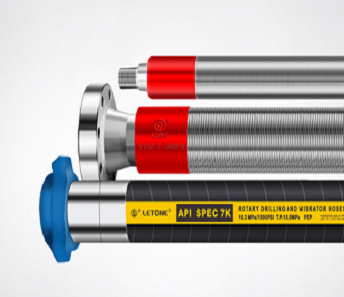
Organic Solvent Transfer Hose: Solving the Dual Pain Points of Swelling and Safety in Organic Fluid
Common Selection Misconceptions: General "Corrosion-Resistant" ≠ Suitable for Special Operating Conditions with Organic Solvents
Many chemical procurement and maintenance personnel habitually apply the selection logic of ordinary acid and alkali transfer hoses when choosing organic solvent transfer hoses, assuming that as long as it is labeled "corrosion-resistant," it can be used directly. However, after actual deployment, it is quickly discovered that many ordinary corrosion-resistant hoses, when transporting organic solvents such as aromatics, esters, and ketones, experience severe inner swelling, softening, and detachment of the rubber within just a few weeks of operation. This not only contaminates the medium with impurities, affecting product purity, but also, after swelling and rupture, leaks of flammable and explosive organic solvents, easily causing on-site fires and static electricity safety hazards.
Organic solvent transfer hoses face special operating conditions that ordinary corrosion-resistant hoses cannot handle: scenarios such as organic solvent transfer in fine chemical workshops, solvent transportation in paint production, and high-purity organic fluid transfer in pharmaceutical and chemical industries. The transported media often have strong dissolving power and flammable and explosive properties. Ordinary rubber or plastic hoses are easily corroded by organic solvents and simply cannot meet the requirements for long-term stable, safe, and compliant transportation.
Targeted Swelling-Resistant Structural Design, Adapted to Organic Fluid Transportation Needs from the Outset
A qualified organic solvent transportation chemical hose is a multi-layered composite system designed with the characteristics of the organic medium in mind. The inner layer uses a special corrosion-resistant material specifically adapted to the target organic solvent. It maintains strong chemical inertness against various types of common organic solvents such as aromatics, esters, ketones, and alcohols. Long-term contact will not cause swelling, decomposition, or precipitation of impurities in the inner layer, ensuring no contamination of the transported high-purity organic solvent and guaranteeing the purity requirements of downstream products.
The middle high-strength fiber-wound or steel wire reinforcement layer is formed using a precision cross-process. Under rated working pressure, the deformation of the tube body is controlled within an extremely low range, preventing severe vibration of the tube body under pressure and accelerated aging due to repeated stretching of the inner layer. The outer layer uses a special antistatic and weather-resistant protective material, which not only resists the corrosive effects of organic solvent vapors in chemical workshops but also provides full-length static electricity conduction. This prevents static electricity buildup when organic solvents flow at high speeds within the tube, eliminating the risk of explosion of flammable and explosive media caused by static sparks. The entire hose system features specially optimized sealing at its interfaces, preventing slow seepage and leakage of organic solvents and completely avoiding the formation of a hazardous explosive gas environment due to the accumulation of volatile media at the interfaces.
High reliability and safe operation significantly reduce overall maintenance costs in organic solvent transportation scenarios.
In many organic solvent transportation scenarios, the average lifespan of ordinary corrosion-resistant hoses is less than one month. Frequent hose replacements not only consume significant manpower, but the material losses and safety hazard handling costs resulting from media leaks are often several times the cost of purchasing qualified specialized hoses. Furthermore, the losses from accidents caused by static electricity buildup are incalculable.
Before leaving the factory, our organic solvent transportation hoses undergo hundreds of hours of full immersion verification in the target organic solvent, followed by tens of thousands of pressure pulse tests and full static conductivity checks. This ensures that they maintain stable structural performance and safety properties even under long-term contact with organic solvents. With targeted selection guidance, such as prioritizing low-precipitation specialized models for high-purity pharmaceutical organic solvent scenarios and prioritizing fully conductive and anti-static reinforced models for flammable and explosive bulk solvent transportation scenarios, the overall service life of the hose can be increased by more than 4 times, and the probability of media contamination, leakage, and static electricity hazards during transportation can be reduced by 90%, significantly improving the long-term safety and stability of organic fluid transportation scenarios.